Collection

Growth · Performance

Anabolic-aligned peptide stacks for athletes operating at the edge of capacity.

10 ProductsThird-Party Verified
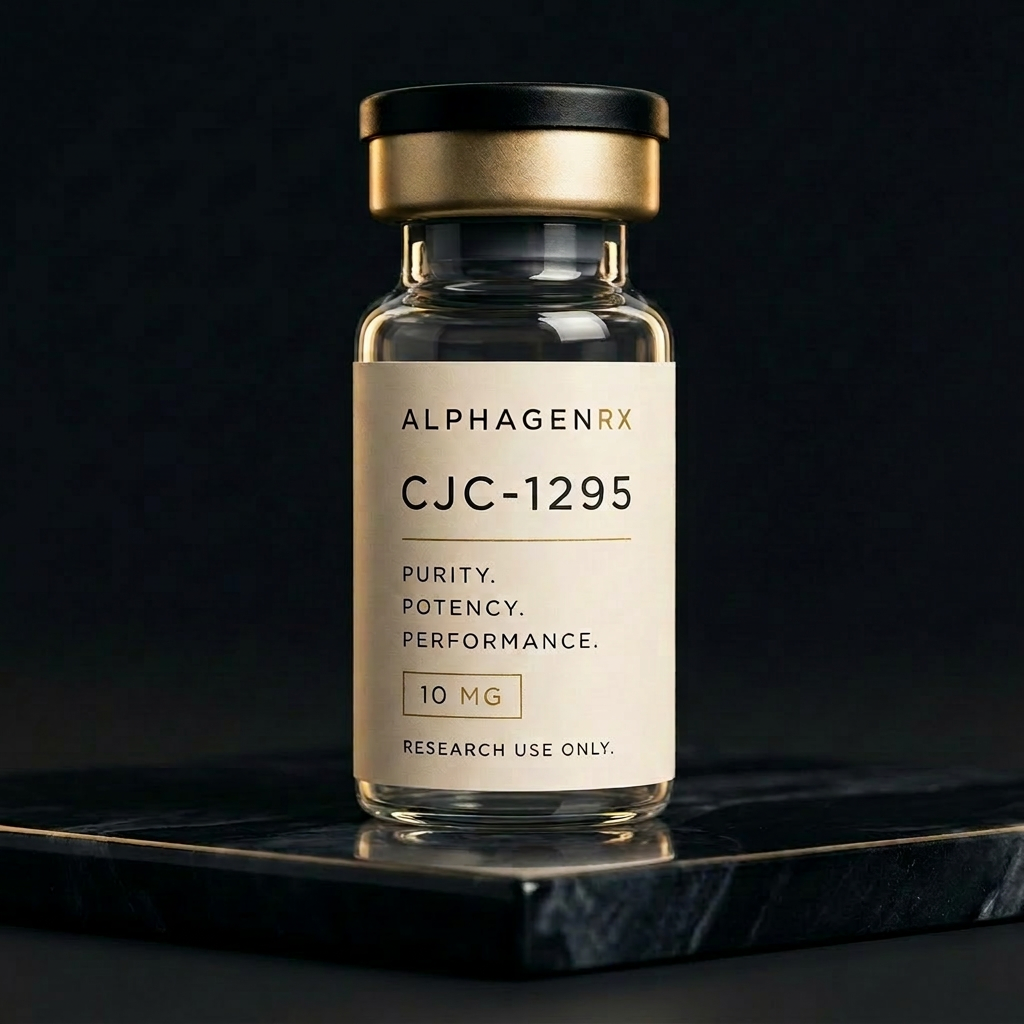
CJC-1295
GHRH Analog
CJC-1295

CJC-1295 investigational reference material.

  • Research Mechanism — A synthetic GHRH analog investigated for pituitary GHRH-receptor engagement and pulsatile growth-hormone release. Almost always studied alongside Ipamorelin to model combined GHRH + GHS-R stimulation.
  • Investigational Profile — GHRH-analog research has been published continuously since the mid-2000s across endocrine and body-composition models.
  • Research Study Window — Laboratory protocols commonly run four to twelve weeks so pulsatile GH endpoints and downstream axis markers can be tracked across a full observation window.
  • Pairs With — Ipamorelin

Regular

$54.99

Select Dosage→
Elite Member $49.49
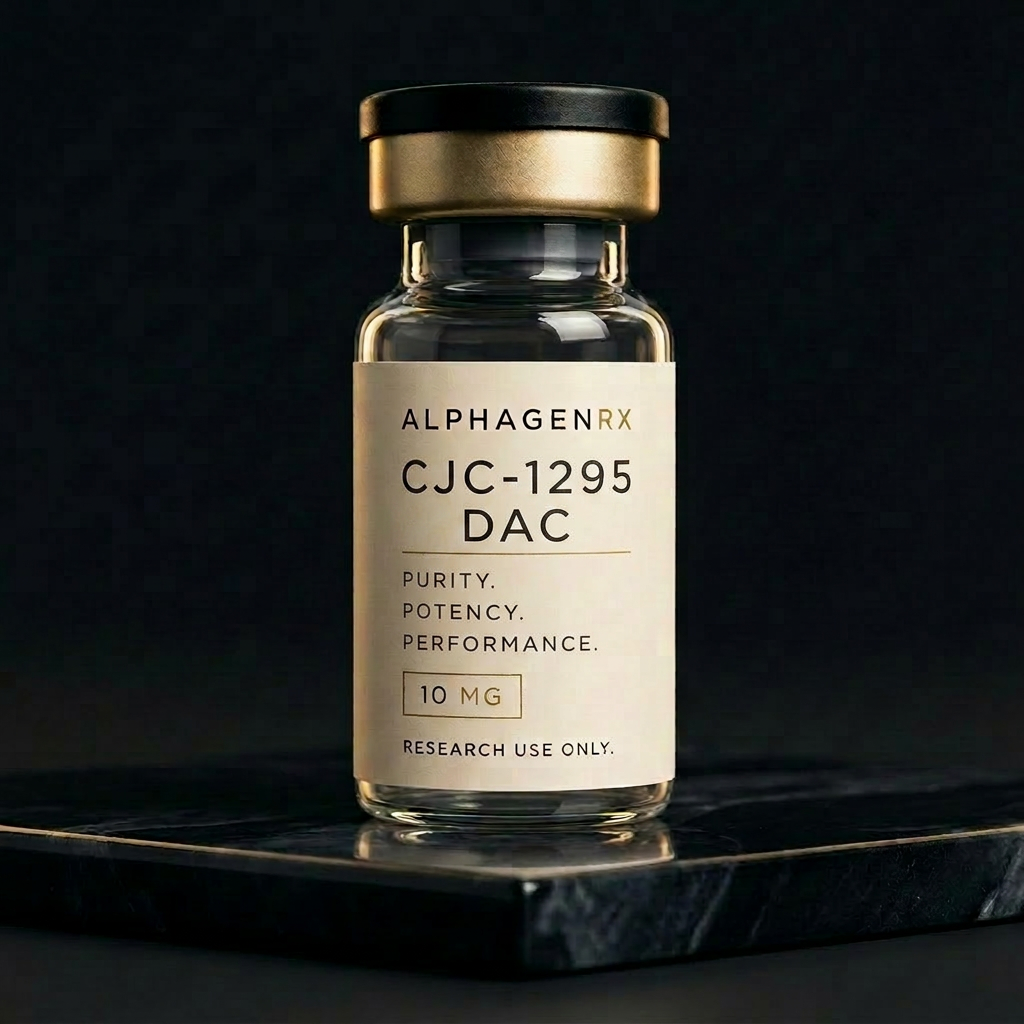
CJC-1295 with DAC
GHRH Analog
CJC-1295 with DAC

CJC-1295 with DAC investigational reference material.

  • Research Mechanism — The DAC (Drug Affinity Complex) form of CJC-1295, engineered for extended plasma half-life via albumin binding, investigated for sustained GHRH-receptor engagement. Ipamorelin is the standard partner in combined-axis protocols.
  • Investigational Profile — Sustained-release GHRH-analog research emerged in the mid-2000s and remains active in endocrine-axis literature.
  • Research Study Window — Extended half-life shifts observation windows toward six- to twelve-week arms, capturing steady-state pulsatile release across the study period.
  • Pairs With — Ipamorelin

Regular

$149.99

Elite Member $134.99
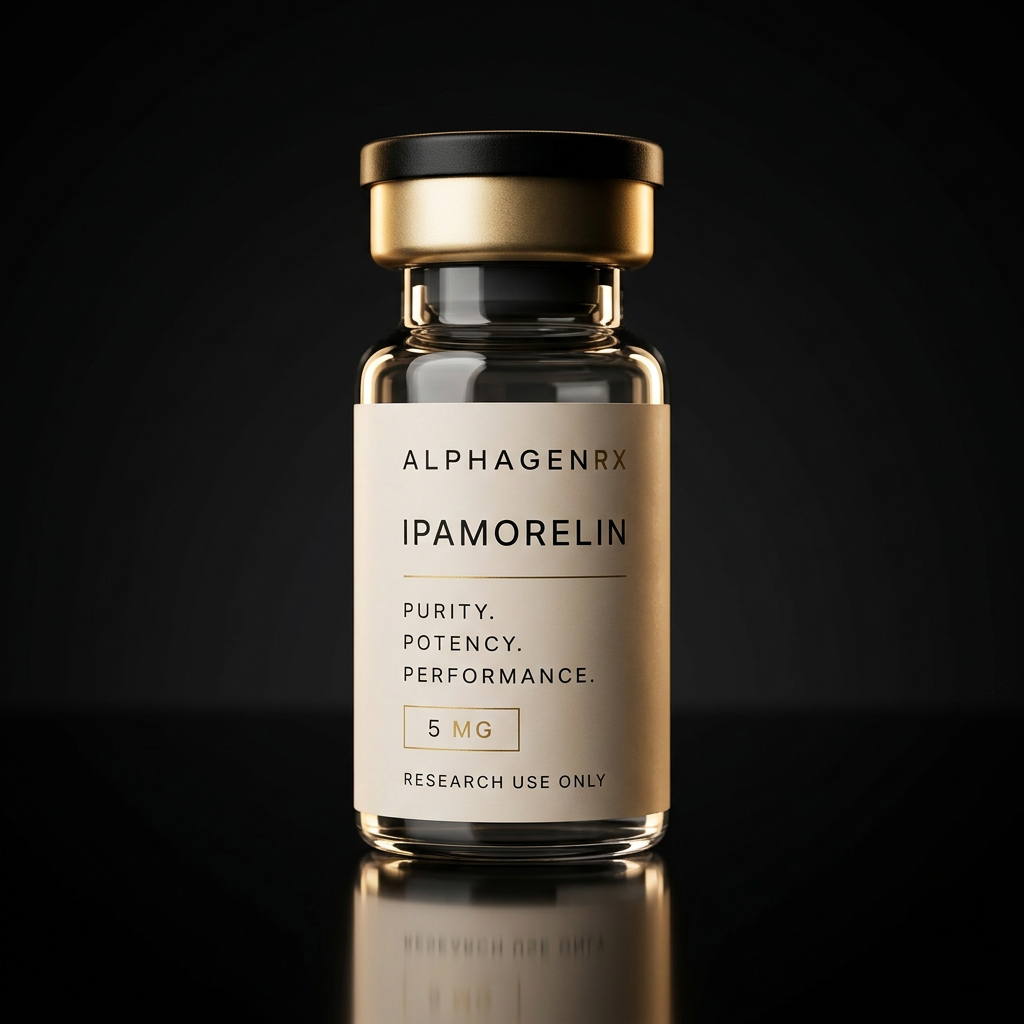
Ipamorelin
GHRP
Ipamorelin

Ipamorelin investigational reference material.

  • Research Mechanism — A selective pentapeptide GHS-R1a agonist investigated for GH release without the prolactin or cortisol response seen with earlier GH secretagogues. CJC-1295 is the standard co-arm when the full GHRH + GHS-R combination is the endpoint.
  • Investigational Profile — Characterization by Raun and colleagues in the late 1990s put it into the GH secretagogue literature, where it has remained a reference for selectivity ever since.
  • Research Study Window — GH pulsatility and downstream axis endpoints are typically evaluated across four- to eight-week laboratory windows.
  • Pairs With — CJC-1295

Regular

$54.99

Select Dosage→
Elite Member $49.49
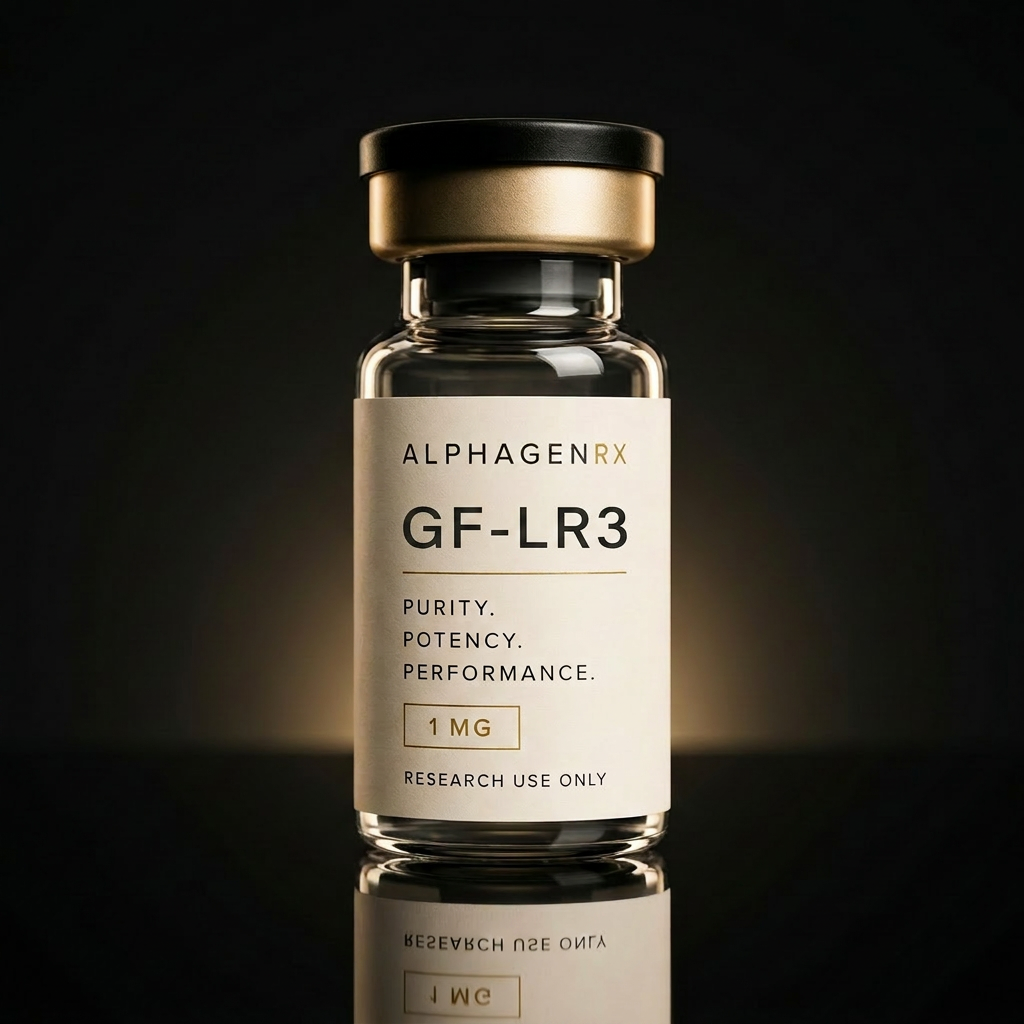
Growth Factor LR3 (GF-LR3)
Growth-Factor Analog
Growth Factor LR3 (GF-LR3)

Growth Factor LR3 (GF-LR3) investigational reference material.

  • Research Mechanism — A long-arginine-3 modified growth-factor analog investigated for receptor engagement with reduced binding-protein interference, and for downstream satellite-cell and hypertrophy-pathway signaling. Commonly studied in combined arms with CJC-1295 and Ipamorelin.
  • Investigational Profile — The long-Arg3 modification has been in the growth-factor literature since the late 1980s and remains the standard analog for isolating receptor-level activity from binding-protein effects.
  • Research Study Window — Hypertrophy and satellite-cell endpoints are typically evaluated across three- to six-week observation blocks.

Regular

$109.99

Elite Member $98.99
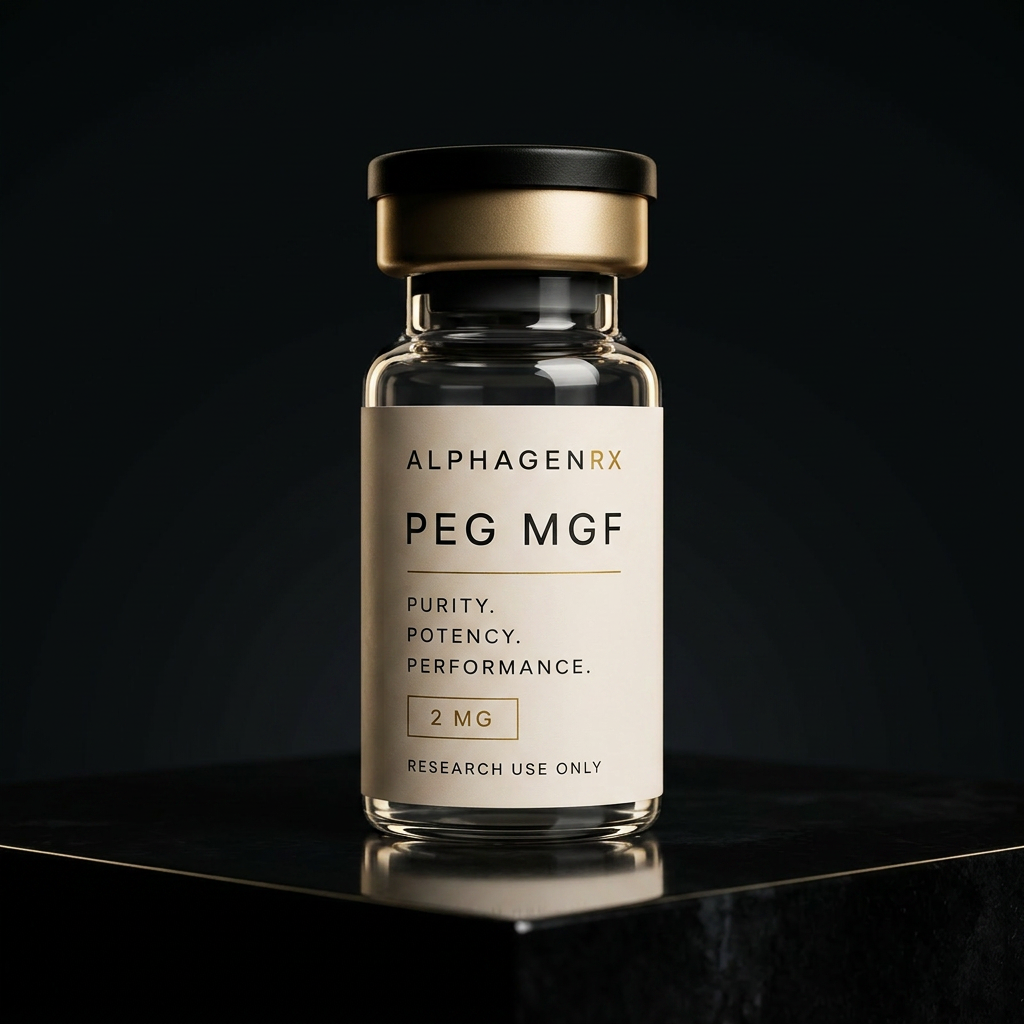
PEG-MGF
Mechano GF
PEG-MGF

PEG-MGF investigational reference material.

  • Research Mechanism — A PEGylated mechano-growth-factor splice variant investigated for satellite-cell activation, mechanotransduction signaling, and repair kinetics following mechanical or ischemic stress.
  • Investigational Profile — Mechano-growth-factor research has been published since the 1990s, with PEGylated variants extending observable half-life in preclinical models from the mid-2000s onward.
  • Research Study Window — Repair and regeneration endpoints are commonly captured across two- to four-week windows, matching the satellite-cell activation timeline observed in published work.

Regular

$109.99

Elite Member $98.99
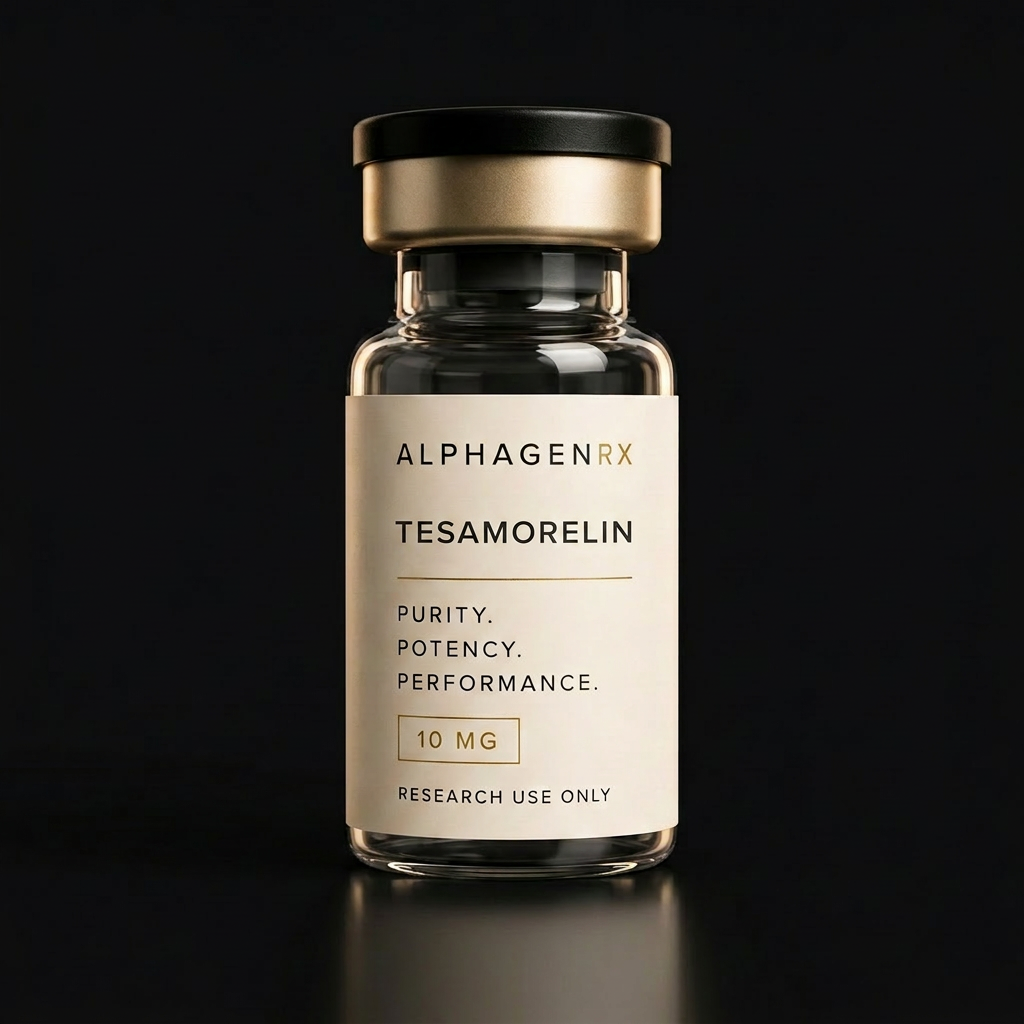
Tesamorelin
GHRH Analog
Tesamorelin

Tesamorelin investigational reference material.

  • Research Mechanism — A stabilized 44-residue GHRH analog investigated for pituitary GHRH-receptor activity, endogenous GH pulse amplitude, and downstream growth-hormone-pathway signaling — particularly in visceral-adipose research models.
  • Investigational Profile — Published characterization has accumulated since the late 2000s and it is one of the more thoroughly documented GHRH analogs in the endocrine literature.
  • Research Study Window — Adipose and axis-marker endpoints are commonly observed across eight- to twenty-six-week windows to capture full GH-pathway adaptation.
  • Pairs With — Ipamorelin

Regular

$170.00

Select Dosage→
Elite Member $153.00
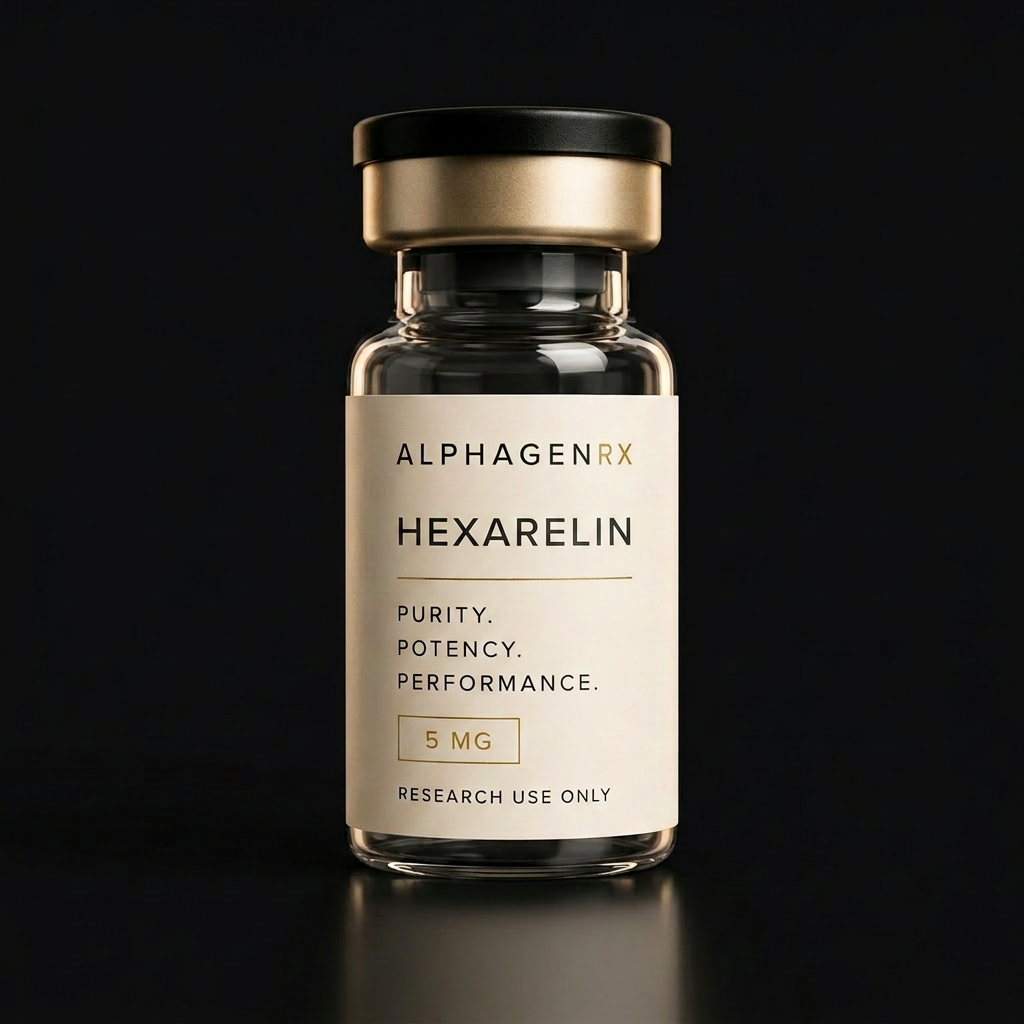
Hexarelin
GHRP
Hexarelin

Hexarelin investigational reference material.

  • Research Mechanism — A synthetic hexapeptide GH secretagogue investigated for GHS-R and CD36 engagement, with a documented signaling profile in cardiac-tissue models alongside the pituitary axis.
  • Investigational Profile — In the GH secretagogue literature since the mid-1990s, frequently studied in parallel with GHRP-2 and GHRP-6 to compare potency across the series.
  • Research Study Window — Endocrine arms usually run two to six weeks; cardiac-signaling models often extend to eight weeks so tissue-level readouts have time to develop.

Regular

$99.99

Elite Member $89.99
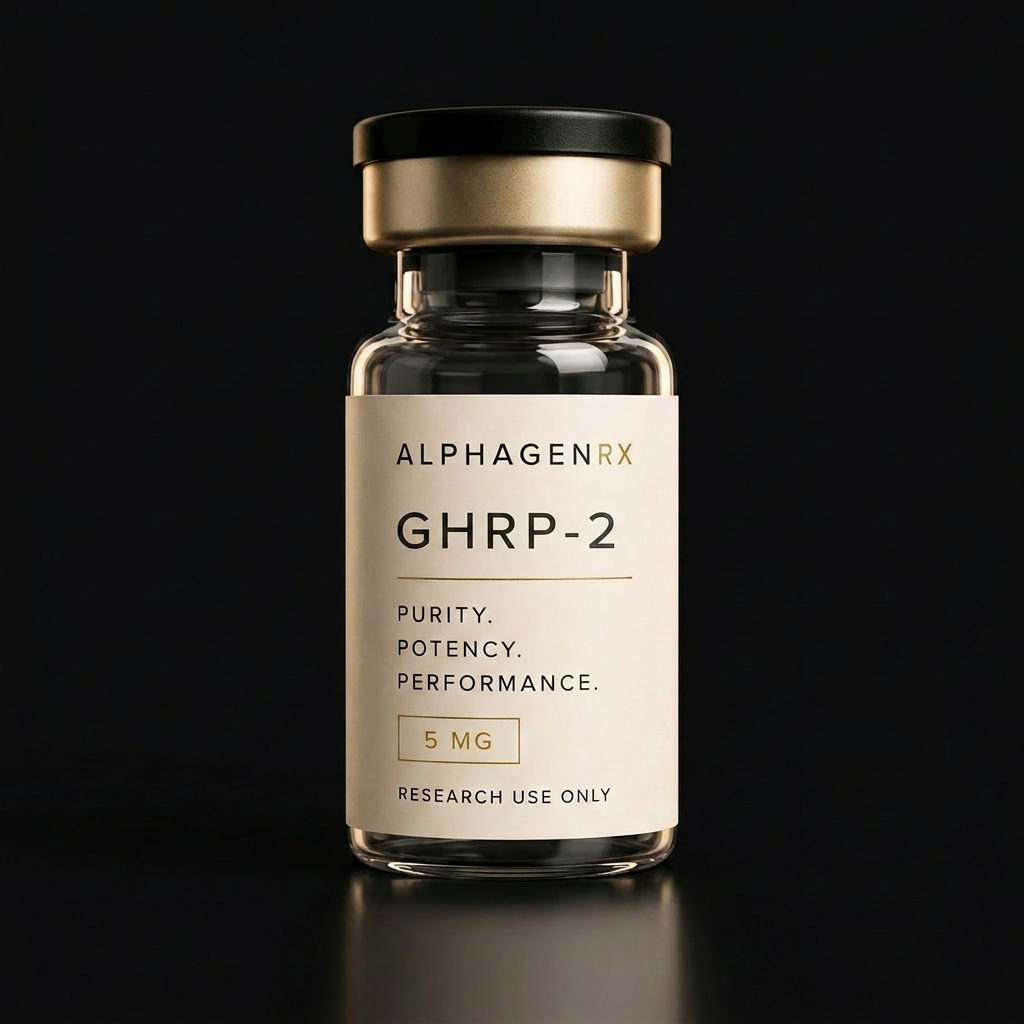
GHRP-2
GHRP
GHRP-2

GHRP-2 investigational reference material.

  • Research Mechanism — A synthetic hexapeptide investigated for ghrelin/GHS-R1a engagement, GH pulse amplification, and appetite-pathway signaling. Paired with CJC-1295 in combined-axis protocols.
  • Investigational Profile — One of the foundational GH-releasing peptides in the literature, with characterization dating to the early 1990s and continuous use as a reference secretagogue.
  • Research Study Window — Pulsatility and appetite-marker endpoints are typically captured across two- to six-week laboratory protocols.

Regular

$99.99

Select Dosage→
Elite Member $89.99
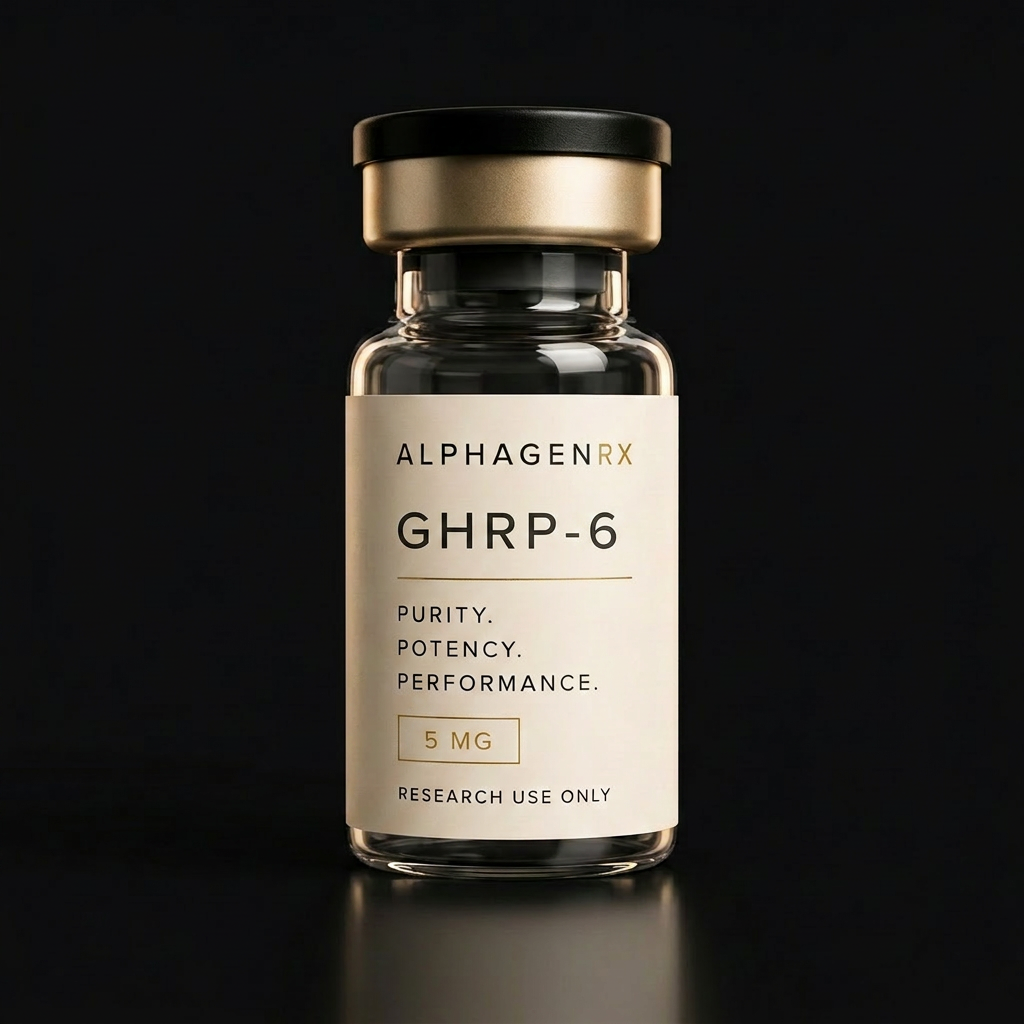
GHRP-6
GHRP
GHRP-6

GHRP-6 investigational reference material.

  • Research Mechanism — A hexapeptide GH secretagogue investigated for GHS-R signaling, GH pulse amplification, and cytoprotective pathway activity documented in cardiac and hepatic models.
  • Investigational Profile — Part of the peptide-secretagogue literature since the early 1990s and often used as an internal comparator against GHRP-2 and Hexarelin.
  • Research Study Window — Standard endocrine protocols observe activity across two- to six-week arms, with cytoprotective endpoints occasionally extended to eight weeks.

Regular

$89.99

Select Dosage→
Elite Member $80.99
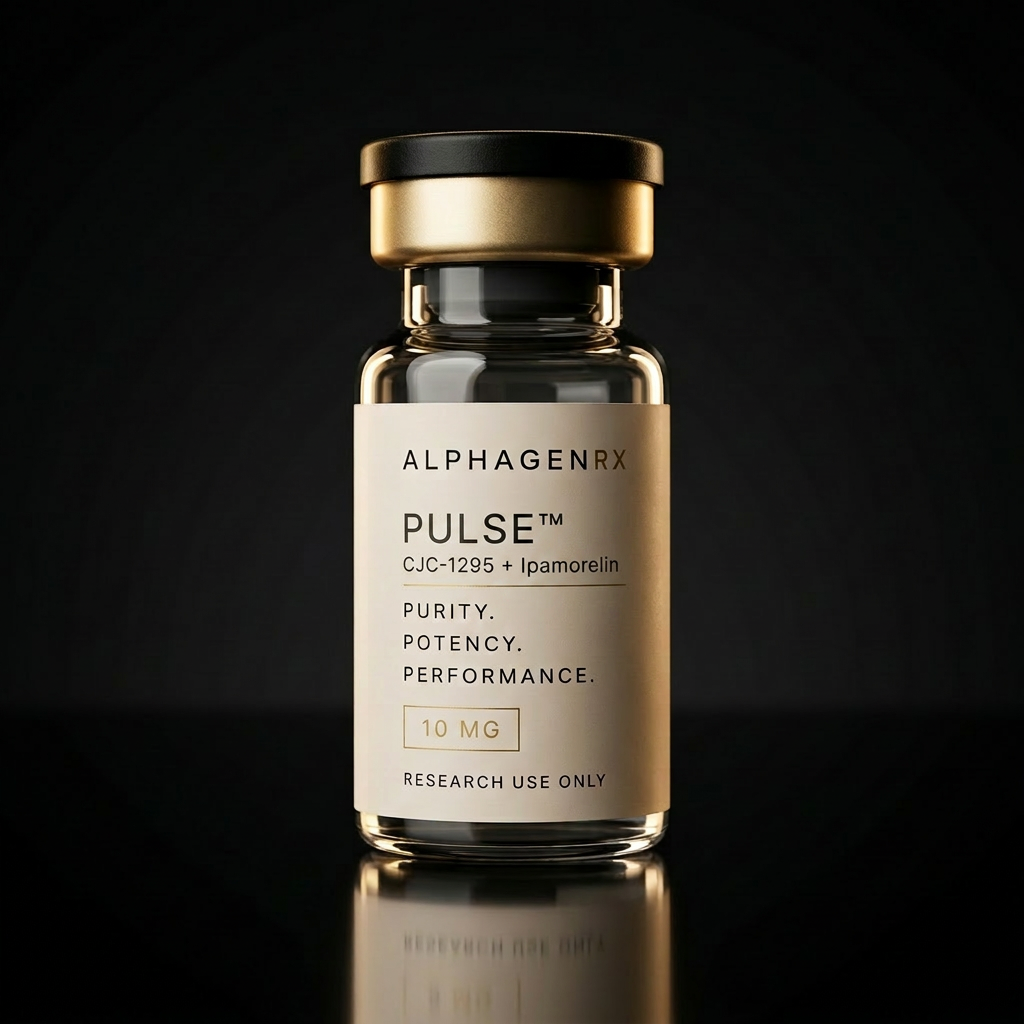
Atelier Pulse™ (CJC-1295 + Ipamorelin)
Growth Blend
Atelier Pulse™ (CJC-1295 + Ipamorelin)

Atelier Pulse™ (CJC-1295 + Ipamorelin) investigational reference material.

  • Research Mechanism — A co-formulated research blend of CJC-1295 (GHRH analogue) and Ipamorelin (selective GH secretagogue), studied for combined pituitary-axis activation and the pulsatile release kinetics characteristic of paired GHRH/GHRP protocols.
  • Investigational Profile — Draws on two of the most-cited peptides in the growth-hormone-axis research literature. The paired GHRH plus GHRP format is a standard configuration in published preclinical work examining endocrine pathway signaling and metabolic physiology.
  • Research Study Window — Endocrine and axis-signaling arms are commonly observed across four- to eight-week windows so pulsatile GH release and downstream endocrine-metabolic markers can resolve fully.

Regular

$89.99

Select Dosage→
Elite Member $80.99

Third-Party Tested

Janoshik · ISO 17025

Cold-Chain Shipping

Insulated · Tracked

USA / Canada Made

Pharmaceutical Grade

Concierge Support

Clinician-Backed